- e-mail us: leelawatihospital@gmail.com
- 8,9 Police Line Rd., Near Arya Chowk, Ambala City
- Call Us: 0171 255 0456
Mon-Sat: 9:30 AM - 6:30 PM

Diabetic Retinopathy
- Home
- EYE SURGERY
- Departments
- Diabetic Retinopathy
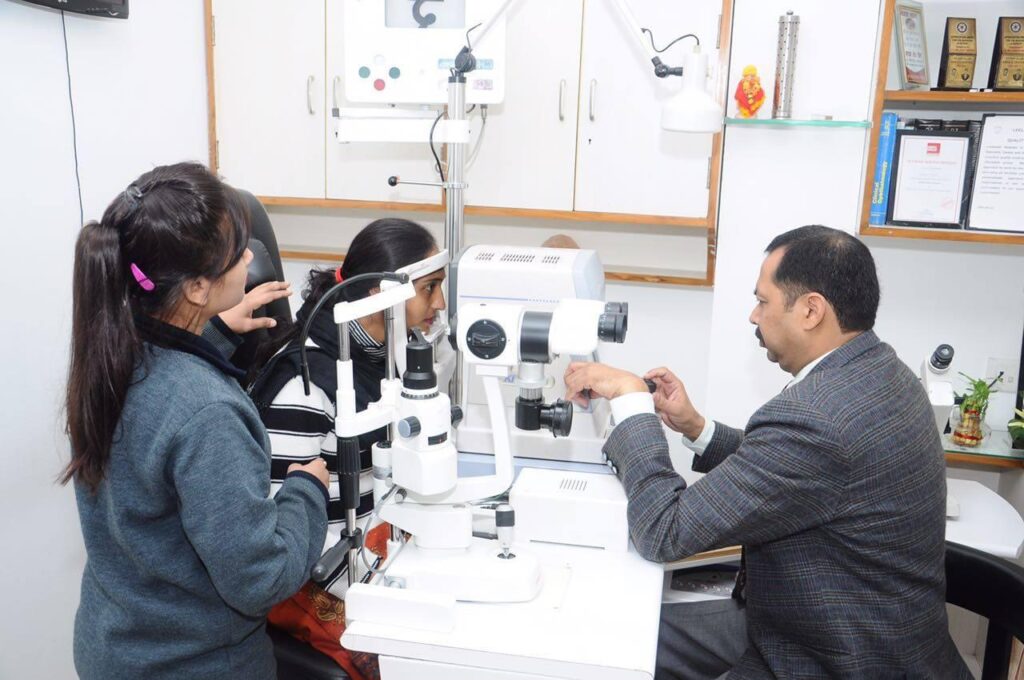
Welcome to Leelawati Eye Speciality Hospital,
where we provide advanced and compassionate care for Diabetic Retinopathy.
Our dedicated team of ophthalmologists and surgeons is committed to preserving your vision and enhancing your eye health. We’ve helped countless patients just like you regain confidence in their daily lives, from reading to grandchildren’s faces to enjoying sunsets without worry. Whether you’re newly diagnosed or managing long-term diabetes, we’re here with open arms and cutting-edge solutions.
Understanding Diabetic Retinopathy
Diabetic Retinopathy is a serious complication of diabetes that affects the eyes, leading to vision impairment and blindness if left untreated. At Leelawati Hospital, we emphasize the importance of early detection and intervention. Think of it like a silent thief in the night—high blood sugar slowly damages the tiny blood vessels in your retina, causing leaks, swelling, or fragile new vessels that blur your world. The good news? Catching it early with regular check-ups can stop it in its tracks. Many of our patients discover it during routine exams and walk away with clear action plans that keep their vision sharp for years.
Comprehensive Diagnostics
Our state-of-the-art diagnostic facilities ensure accurate and thorough assessments of your eye health. Using advanced techniques such as fundus examination and imaging, we precisely evaluate the extent of retinal damage caused by diabetes. We go beyond the basics with tools like Optical Coherence Tomography (OCT) for detailed 3D retina scans and wide-field fluorescein angiography to spot even the smallest issues early. No more guesswork—our quick, comfortable process gives you crystal-clear results in one visit, so you can understand your eyes’ story and what comes next without the stress.
Personalized Treatment Plans
Our experienced team tailors treatment plans to suit the individual needs of each patient. We offer a range of cutting-edge treatments, including:
Laser Treatment: Targeted laser therapy to address abnormal blood vessels and prevent further damage. It’s like sealing leaks in a dam—precise, outpatient sessions that stabilize your vision fast with minimal downtime.
Intravitreal Injections: Medications delivered directly into the eye to reduce inflammation and inhibit abnormal vessel growth. These anti-VEGF shots work wonders for swelling, often improving clarity within weeks, and we make them as gentle as possible.
Vitreoretinal Surgery: Surgical interventions to remove scar tissue and repair retinal detachment. For advanced cases, our microsurgery expertise restores retinal health, helping patients return to driving, working, and living fully.
We also incorporate lifestyle guidance, like diabetes management tips tailored to your routine, ensuring treatments fit seamlessly into your life.
Why Choose Leelawati Hospital?
Expertise: Our skilled ophthalmologists specialize in the management of Diabetic Retinopathy. With years of hands-on experience and ongoing training, they’ve successfully treated thousands, sharing stories of patients who dodged vision loss just in time.
Advanced Technology: We invest in the latest diagnostic and treatment technologies for optimal outcomes. From AI-assisted imaging to robotic precision tools, we’re always one step ahead, delivering results that match world-class standards right here in your city.
Patient-Centric Approach: Your well-being is our priority, and we ensure personalized care at every step. We listen to your concerns, explain everything in simple terms, and follow up like family—because seeing you thrive is what lights up our days.
Our warm clinic environment, flexible scheduling, and support groups add that extra layer of comfort during your journey.
Don’t compromise on your vision. Schedule a consultation at Leelawati Eye Speciality Hospital today and let us be your partner in preserving the gift of sight.
For appointments or inquiries, please contact us.
Understanding the Link Between Diabetes and Vision Loss
Diabetes can affect many organs in the body, including the eyes. High blood sugar levels can damage the tiny blood vessels of the retina, leading to a condition known as diabetic retinopathy. This progressive eye disease is one of the leading causes of vision impairment among adults and often develops without noticeable symptoms in its early stages. Early diagnosis and timely treatment are essential to protect vision and prevent permanent blindness.
At Leelawati Hospital, patients receive comprehensive diabetic eye evaluations using advanced retinal imaging and diagnostic technology. The goal is to detect retinal damage at the earliest stage and provide personalized treatment plans that help preserve vision and improve long-term eye health.
Who Is at Risk for Diabetic Retinopathy?
You may have a higher risk of developing diabetic retinopathy if:
- You have Type 1 or Type 2 diabetes
- Your blood sugar levels are poorly controlled
- You have had diabetes for many years
- You suffer from high blood pressure
- You have high cholesterol levels
- You are pregnant and have diabetes
- You smoke or use tobacco products
Regular retinal examinations are recommended even if your vision appears normal.
Common Symptoms of Diabetic Retinopathy
In the early stages, diabetic retinopathy may not cause any symptoms. As the disease progresses, patients may experience:
- Blurred vision
- Floaters or dark spots
- Difficulty reading
- Distorted vision
- Fluctuating eyesight
- Dark or empty areas in vision
- Reduced night vision
- Sudden vision loss in severe cases
If you notice any changes in your vision, immediate evaluation by an eye specialist is important.
Advanced Diagnostic Facilities at Leelawati Hospital
Accurate diagnosis is crucial for effective diabetic retinopathy treatment. Our diagnostic services may include:
Digital Fundus Examination
Detailed assessment of retinal blood vessels and retinal health.
Optical Coherence Tomography (OCT)
High-resolution retinal imaging to detect swelling and fluid accumulation.
Fluorescein Angiography
Evaluation of abnormal blood vessel growth and retinal leakage.
Diabetic Retinal Screening
Routine monitoring to detect early retinal changes before vision loss occurs.
These advanced investigations help ophthalmologists develop the most appropriate treatment strategy for each patient.
Treatment Options for Diabetic Retinopathy
Laser Photocoagulation Treatment
Laser therapy helps seal leaking blood vessels and reduce the risk of further retinal damage.
Intravitreal Injections
Special medications are injected into the eye to reduce retinal swelling and control abnormal blood vessel growth.
Vitreo-Retinal Surgery
Advanced surgical procedures may be recommended for severe diabetic retinopathy, retinal bleeding, or retinal detachment.
Long-Term Diabetes Management
Maintaining healthy blood sugar, blood pressure, and cholesterol levels remains an essential part of protecting vision.
Why Choose Leelawati Hospital for Diabetic Retinopathy Treatment in Ambala?
Patients searching for the Best Diabetic Retinopathy Hospital in Ambala need specialized expertise, advanced technology, and personalized care. Leelawati Hospital offers:
- Experienced Retina Specialists
- Advanced Retinal Imaging Technology
- Comprehensive Diabetic Eye Screening
- Laser Treatment Facilities
- Intravitreal Injection Services
- Vitreo-Retinal Surgical Care
- Personalized Follow-Up Programs
The hospital’s patient-focused approach helps diabetic patients receive timely diagnosis and effective treatment to preserve vision for the future.
Frequently Asked Questions
Diabetic retinopathy is an eye disease caused by diabetes that damages the blood vessels of the retina and can lead to vision loss if left untreated.
Yes. If diabetic retinopathy progresses without treatment, it can cause severe vision loss and permanent blindness. Early treatment significantly reduces this risk.
Early diabetic retinopathy often has no symptoms. As it progresses, patients may experience blurred vision, floaters, or difficulty seeing clearly.
Most diabetic patients should undergo a comprehensive retinal examination at least once a year or as advised by their ophthalmologist.
Vision loss from advanced retinal damage may not always be reversible. However, timely treatment can stop or slow disease progression and preserve remaining vision.
Treatment depends on disease severity and may include retinal laser therapy, intravitreal injections, vitreo-retinal surgery, and diabetes management.
Good blood sugar control can significantly reduce the risk of developing diabetic retinopathy and slow its progression.
Yes. Intravitreal injections are commonly used worldwide and are considered safe and effective when administered by experienced retina specialists.
Surgery may be required when there is severe retinal bleeding, scar tissue formation, or retinal detachment affecting vision.
Individuals with long-standing diabetes, poor blood sugar control, hypertension, and high cholesterol levels have a higher risk of retinal complications.
Yes. Advanced retinal screening and imaging can identify diabetic retinopathy long before patients notice vision changes.
Leelawati Hospital provides advanced retinal diagnostics, laser treatment, intravitreal injections, surgical retina care, and comprehensive diabetic eye management under one roof.
Join Us & Increase Your
[contact-form-7 id="2573" title="Subscribe"]