
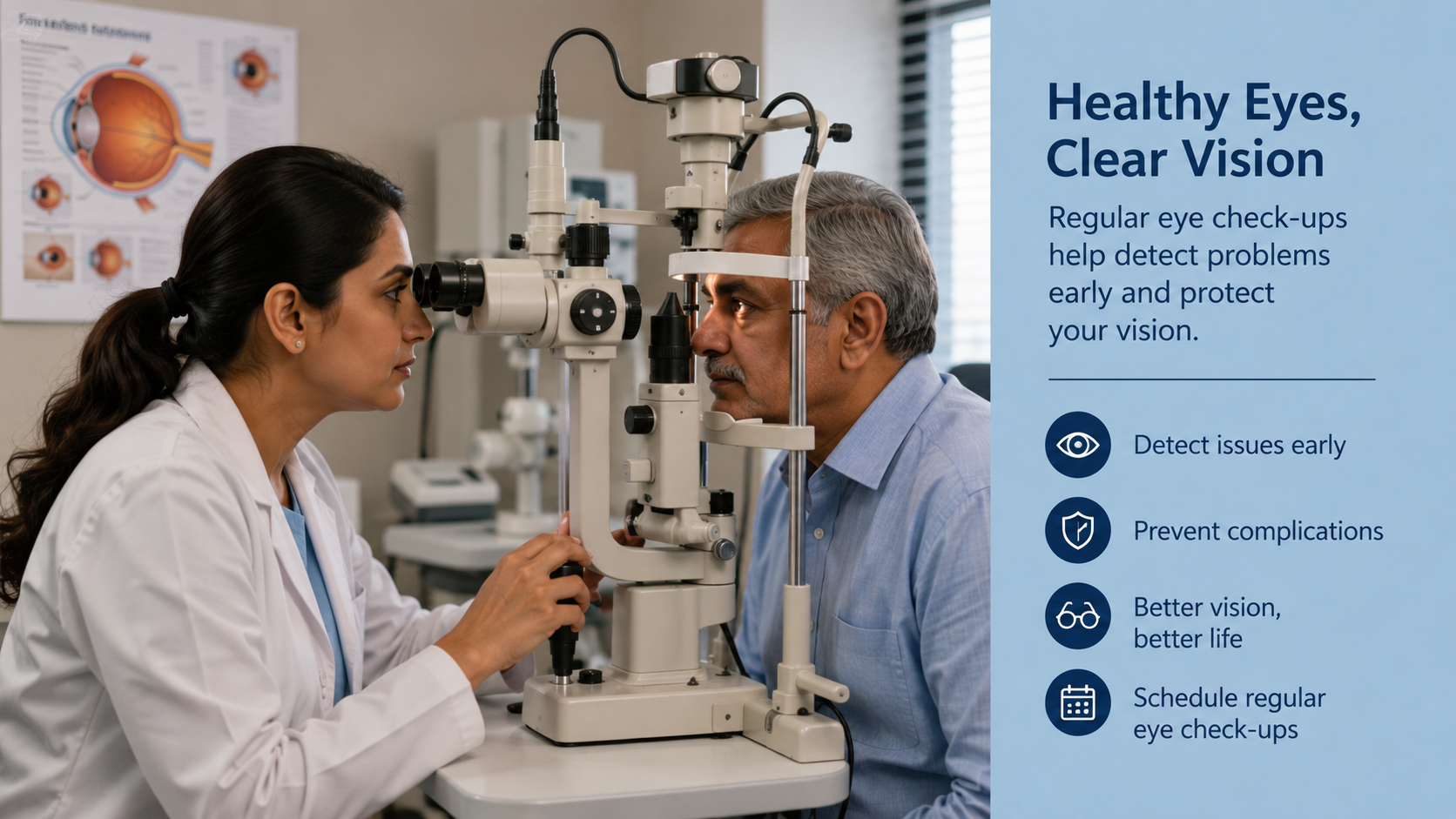
Do your eyes feel itchy, red, or irritated during the rainy season? While the monsoon brings relief from the summer heat, it also creates conditions that increase the risk of eye infections, allergies, and other vision-related problems. Many people overlook these symptoms, assuming they will disappear on their own. However, ignoring minor eye issues can sometimes lead to more serious complications, especially for older adults, people with diabetes, and those living with cataracts.
Regular eye examinations become even more important during the monsoon, as early detection can help prevent infections from affecting your vision. If you are looking for the Best Cataract Hospital in Ambala, choosing a hospital with experienced ophthalmologists, advanced diagnostic facilities, and comprehensive eye care services can make a significant difference in protecting your eyesight.
Leelawati Eye Super Speciality Hospital, Ambala provides comprehensive eye examinations, advanced cataract evaluation, and personalized treatment plans to help patients maintain healthy vision throughout the year. In this guide, you’ll learn why regular eye check-ups are essential during the monsoon, common seasonal eye problems, and simple steps to keep your eyes healthy.
Why Eye Check-ups Are More Important During Monsoon
The rainy season brings increased humidity, dust, pollution, and waterborne microorganisms that can easily affect eye health. Bacteria, viruses, and allergens thrive in damp weather, making eye infections more common during this time of the year.
People often experience symptoms such as redness, itching, excessive tearing, eye irritation, or blurred vision. While some conditions may be mild, others require prompt medical attention to prevent complications. Regular eye check-ups help ophthalmologists identify these problems early and recommend the right treatment before they become severe.
For individuals with cataracts, diabetes, glaucoma, or other existing eye conditions, routine eye examinations are particularly important because seasonal infections and inflammation may worsen underlying vision problems if left untreated.
Common Eye Problems During the Monsoon
1. Conjunctivitis (Pink Eye)
Conjunctivitis is one of the most common eye infections during the rainy season. It is caused by viral or bacterial infections and spreads easily through direct contact or contaminated surfaces.
Common symptoms include:
- Redness in the eyes
- Watery or sticky discharge
- Itching and irritation
- Swollen eyelids
- Sensitivity to light
Early diagnosis and proper treatment can help prevent the infection from spreading to others.
2. Eye Allergies
Monsoon weather can increase exposure to dust, pollen, mold, and other allergens that trigger eye allergies. Patients may experience persistent itching, redness, watering, and swelling around the eyes.
Avoid rubbing your eyes, as it can worsen irritation and increase the risk of infection.
3. Stye (Eye Boil)
A stye is a small, painful lump that develops near the edge of the eyelid due to a bacterial infection of the oil glands. Although it usually heals with proper care, persistent or recurrent styes should be examined by an eye specialist.
4. Dry Eyes
Although humidity levels are higher during the monsoon, prolonged screen time, air-conditioned environments, and reduced blinking can still cause dry eyes. Symptoms include burning, irritation, and a gritty sensation.
5. Corneal Infections
People who wear contact lenses are at a higher risk of corneal infections during the rainy season, especially if proper lens hygiene is not maintained. Corneal infections can become serious if treatment is delayed and should be evaluated by an ophthalmologist immediately.
Can Monsoon Affect Cataract Patients?
While the monsoon season does not cause cataracts, it can make existing eye conditions more uncomfortable. Increased humidity, seasonal infections, and allergies may lead to redness, irritation, or excessive watering, making it difficult for cataract patients to distinguish between normal symptoms and signs of another eye problem. Regular eye examinations help monitor cataract progression and identify any additional conditions that may require treatment.
If you experience blurred vision, increased glare, difficulty seeing in low light, or changes in your eyesight, consult an ophthalmologist promptly. Early evaluation helps determine whether cataract surgery or other treatment is appropriate.
Monsoon Eye Care Tips
Protecting your eyes during the rainy season is simple with a few preventive measures:
- Wash your hands before touching your eyes.
- Avoid rubbing your eyes, especially if they feel itchy or irritated.
- Keep contact lenses clean and follow proper hygiene practices.
- Wear protective eyewear while travelling in rain or dusty conditions.
- Use only prescribed eye drops and avoid self-medication.
- Maintain good blood sugar control if you have diabetes.
- Eat a balanced diet rich in vitamins A, C, and E to support eye health.
- Schedule regular eye check-ups, particularly if you have cataracts, diabetes, or glaucoma.
Following these habits can help reduce the risk of seasonal eye infections and maintain healthy vision throughout the monsoon.
Why Regular Eye Check-ups Matter
Many eye diseases, including cataracts, glaucoma, and diabetic retinopathy, develop gradually and may not show noticeable symptoms in their early stages. A comprehensive eye examination allows ophthalmologists to detect these conditions early and recommend timely treatment before they affect vision.
Regular eye check-ups are especially important for:
- Adults above 40 years of age
- People with diabetes or high blood pressure
- Individuals experiencing blurred vision or glare
- Contact lens users
- Anyone with a family history of eye diseases
Routine examinations play a vital role in preserving long-term eye health and preventing avoidable vision loss.
Why Choose Leelawati Eye Super Speciality Hospital – Best Cataract Hospital in Ambala
If you are searching for the Best Cataract Hospital in Ambala, Leelawati Eye Super Speciality Hospital offers comprehensive eye care supported by experienced ophthalmologists, advanced diagnostic technology, and patient-focused treatment.
The hospital provides:
- Comprehensive eye examinations
- Advanced cataract diagnosis and treatment
- Modern cataract surgery techniques
- Glaucoma, retina, and cornea care
- Personalized treatment plans
- Complete pre-operative and post-operative care
Every patient receives individualized care based on their eye condition and visual needs, ensuring safe treatment and better outcomes.
Leelawati Eye Super Speciality Hospital – Contact Details
? Address:
8–9, Police Line Road, Near Arya Chowk, Ambala City, Haryana – 134003
? Phone:
0171-2550456, 0171-2550446
? Website:
https://leelawatihospital.net
? Google Business Profile:
https://share.google/9P4S0tKtF9L2xw295
Follow Leelawati Eye Super Speciality Hospital
Facebook: https://www.facebook.com/lwhamb
Instagram:https://www.instagram.com/leelawati.hospital/
YouTube: https://www.youtube.com/channel/UCzIJnUXZRRQjx_W5Kfu6a6g
Stay connected for the latest eye care tips, awareness campaigns, and updates on advanced ophthalmic treatments.
Frequently Asked Questions (FAQs)
1. Why are eye check-ups important during the monsoon?
The rainy season increases the risk of eye infections, allergies, and irritation due to humidity and the spread of bacteria and viruses. Regular eye check-ups help detect these conditions early and protect your vision.
2. Can the monsoon worsen cataracts?
No, the monsoon does not cause cataracts or speed up their progression. However, seasonal eye infections or allergies can make existing vision problems more uncomfortable, making regular eye examinations important.
3. What are the common eye problems during the rainy season?
Some of the most common monsoon-related eye conditions include:
- Conjunctivitis (Pink Eye)
- Eye allergies
- Styes
- Dry eyes
- Corneal infections
4. How often should I get my eyes examined?
Adults should have a comprehensive eye examination at least once a year. People with diabetes, cataracts, glaucoma, or other eye conditions may need more frequent check-ups as advised by their ophthalmologist.
5. When should I consult an eye specialist?
You should seek medical attention if you experience:
- Persistent redness
- Eye pain
- Blurred vision
- Excessive watering
- Light sensitivity
- Sudden changes in vision
6. Can contact lenses increase the risk of eye infections during monsoon?
Yes. Poor contact lens hygiene during the rainy season can increase the risk of bacterial or fungal eye infections. Always follow proper cleaning and replacement guidelines.
7. Why choose Leelawati Eye Super Speciality Hospital for cataract care?
Leelawati Eye Super Speciality Hospital, Ambala offers comprehensive eye examinations, advanced cataract diagnosis, modern surgical techniques, and personalized treatment plans delivered by experienced ophthalmologists.
Conclusion
The monsoon season brings an increased risk of eye infections, allergies, and other vision-related problems, making regular eye examinations more important than ever. Whether you have cataracts, diabetes, or simply want to maintain healthy eyesight, early diagnosis and timely treatment can help prevent complications and preserve your vision.
If you are looking for the Best Cataract Hospital in Ambala, Leelawati Eye Super Speciality Hospital provides comprehensive eye care, advanced cataract evaluation, and personalized treatment to help patients maintain clear and healthy vision. Scheduling regular eye check-ups, especially during the rainy season, is a simple yet effective step toward protecting your eyesight for years to come.
Book your appointment today at Leelawati Eye Super Speciality Hospital, Ambala, and give your eyes the expert care they deserve.
Schedule Your Eye Check-up Today
Protect your vision with expert eye care at Leelawati Eye Super Speciality Hospital, Ambala. Whether you’re experiencing blurred vision, seasonal eye irritation, or symptoms of cataracts, our experienced ophthalmologists are here to help. Early diagnosis and timely treatment can make a significant difference in preserving healthy eyesight. Contact us today to schedule a comprehensive eye examination.
